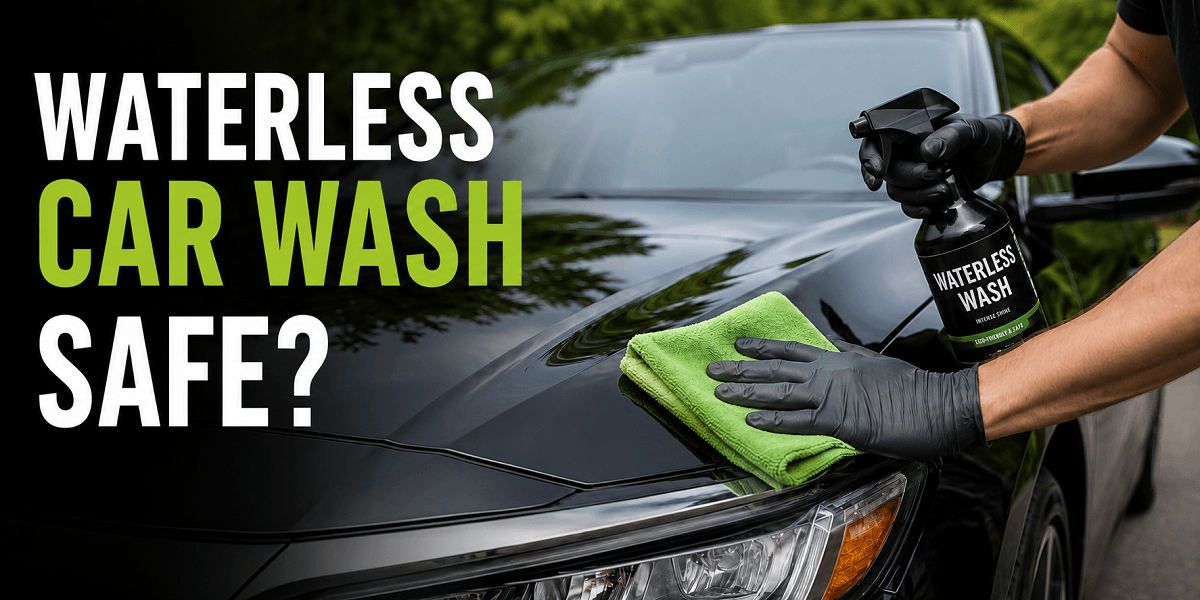
Keeping your vehicle clean does not always require buckets of water. A Waterless Car Wash Safe method can clean light dirt while protecting your paint when you use the right products and technique.
Key Highlights
- Learn whether a Waterless Car Wash Safe method is truly safe.
- Discover how waterless cleaning products work.
- Compare waterless and traditional washing methods.
- Find out when you should and should not use a waterless wash.
- Learn expert techniques that help prevent scratches.
- See the advantages and disadvantages before making your decision.
- Read practical advice based on detailing industry experience.
- View comparison tables and real-world examples.
- Includes expert recommendations, statistics, and owner experiences.
“ During water restrictions, I switched to waterless cleaning. It saves time and keeps my SUV looking clean between full washes. ”
– Sarah, Texas
What Is a Waterless Car Wash & How Does It Work?
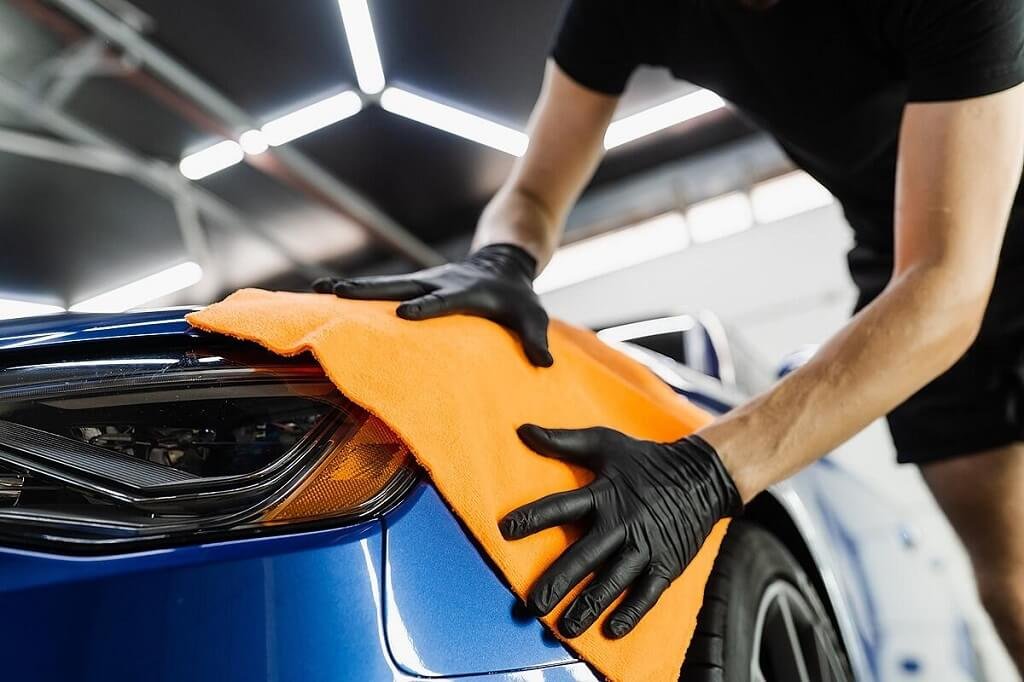
A Waterless Car Wash Safe product is a specially made spray that cleans your vehicle without rinsing it with water. The formula contains lubricants, cleaning agents, and polymers that surround dust and light dirt before you wipe them away using a microfiber towel. This reduces friction between the towel and your paint. Professional detailers often recommend this method for cars with only light dust because it saves time and water while leaving behind a glossy protective finish.
The Science Behind Waterless Cleaning Sprays
Most premium waterless wash products contain lubricating polymers that lift dirt from the paint surface. These polymers reduce the chance of scratching when paired with a clean microfiber towel. According to the International Carwash Association, a traditional driveway wash can use between 80 and 140 gallons (300 to 530 liters) of water, while professional commercial systems often recycle much of their water.
A quality waterless wash uses only a few ounces of product, making it an environmentally friendly option for suitable cleaning situations. Detailing professionals still recommend avoiding waterless products on vehicles covered with heavy mud or sand because larger particles increase the risk of paint damage.
” The safest wash method always depends on the amount of contamination on the vehicle. Light dust is suitable for a waterless wash, while heavy dirt requires a proper rinse. “
Is a Waterless Car Wash Safe for Your Vehicle’s Paint?
Yes, a Waterless Car Wash Safe process can protect your vehicle’s paint when you use premium products, soft microfiber towels, and the correct wiping technique. Modern waterless cleaners are designed to lubricate dirt before it is removed from the surface. If your car has only light dust, fingerprints, pollen, or fresh road film, this method is generally considered safe by professional detailers. The biggest factor is not the product itself but how carefully you use it. Applying too much pressure or using dirty towels creates unnecessary friction that may leave swirl marks.
Vehicles coated with wax, sealants, or ceramic coatings usually respond very well to waterless cleaning because these protective layers reduce dirt adhesion. Owners who regularly maintain their vehicles often report excellent results when following the recommended technique. Industry professionals also suggest folding microfiber towels into multiple clean sections so each wipe uses a fresh surface.
What Makes a Waterless Car Wash Safe?
Several factors determine whether a Waterless Car Wash Safe method protects your vehicle.
- High-quality lubricating formula
- Premium microfiber towels
- Gentle wiping motion
- Cleaning only lightly dirty vehicles
- Frequently changing towel sides
- Working in shaded areas
- Following manufacturer instructions
Pros and Cons of Waterless Car Washing: Is It Worth It?
A Waterless Car Wash Safe method offers clear advantages for many drivers, especially those living in apartments, areas with water restrictions, or places where frequent washing is difficult. It allows you to clean your vehicle almost anywhere while reducing water consumption. At the same time, it is not designed to replace every traditional wash. Understanding both benefits and limitations helps you choose the right cleaning method based on your vehicle’s condition rather than convenience alone.
Professional detailers often use waterless products as maintenance cleaners instead of primary washing solutions. If your vehicle is washed regularly and only collects light dust between washes, waterless cleaning can save time and maintain a polished appearance. On the other hand, heavily contaminated vehicles should still receive a full rinse and shampoo wash to remove abrasive dirt safely.
Advantages of Waterless Car Washes
Waterless car wash has many good points. Here are some important pros:
1. Saves Water
Traditional car wash uses many gallons of water. Waterless wash uses almost no water. This helps save water. It is good for places where water is rare.
2. Saves Time
You can clean your car quickly. No need to find a hose or bucket. Just spray and wipe. This takes less time than washing with water.
3. Easy To Use Anywhere
You can use waterless wash anywhere. At home, parking lots, or even on trips. It does not need water supply.
4. Good For Light Dirt
Waterless wash works well on light dust and dirt. It cleans without scratching the car’s paint.
5. Protects Car Paint
Many waterless products have wax or polish. This protects the paint. It keeps the car shiny longer.
6. Environment Friendly
Because it uses less water and less chemicals, it is better for nature. It helps reduce water waste and pollution.
Disadvantages of Waterless Car Washes
Waterless car wash also has some drawbacks. Here are some cons to know:
1. Not For Heavy Dirt
If the car is very dirty, waterless wash may not work well. It may leave scratches or marks. You need to remove big dirt with water first.
2. Can Be Expensive
Waterless wash products can cost more than soap and water. You need to buy special sprays and cloths. This can add up over time.
3. Need Clean Cloths
You must use clean, soft cloths every time. Dirty cloths can scratch the paint. You may need many cloths for one car.
4. May Leave Residue
Some sprays may leave a sticky or greasy feeling. You might need to wipe the car several times.
5. Not Always Easy For Big Cars
For large cars or trucks, waterless wash can take longer. It may be harder to clean all parts well.
6. Requires Proper Technique
You must spray and wipe carefully. Wrong use can cause damage. It takes some practice to do it right.
Waterless vs. Traditional Car Wash: Which is Better?
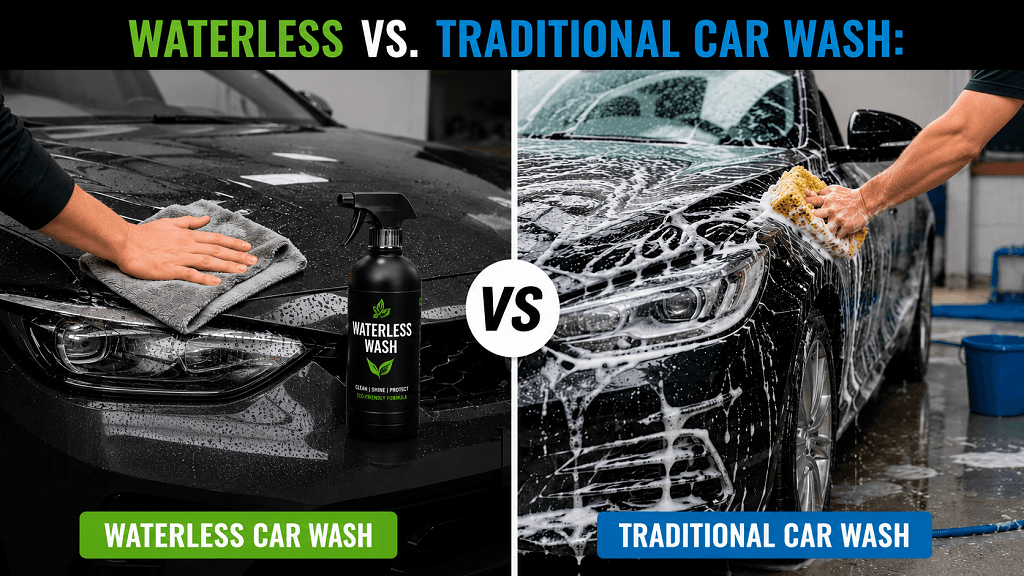
Choosing between a Waterless Car Wash Safe method and a traditional wash depends on how dirty your vehicle is, how much time you have, and where you plan to clean it. A waterless wash is perfect for removing light dust, fingerprints, pollen, and fresh road film, while a traditional wash remains the safest choice for vehicles covered in mud, sand, salt, or heavy grime. Professional detailers often use both methods rather than relying on only one. By matching the cleaning method to the condition of your vehicle, you can protect the paint, save time, and avoid unnecessary scratches.
Industry experts also point out that modern paint finishes are more durable than older ones, but improper washing techniques are still one of the biggest causes of swirl marks.
Pros and Cons of Traditional Car Washes
A traditional wash continues to be the preferred option for heavily soiled vehicles because flowing water removes dirt before you touch the paint. This greatly lowers the risk of dragging abrasive particles across the surface. Using the two-bucket method, quality car shampoo, and microfiber wash mitts provides one of the safest ways to clean your vehicle. It also works well after long highway trips, rainy weather, or off-road driving where dirt builds up quickly.
There are a few drawbacks. Traditional washing uses much more water and requires extra equipment such as buckets, hoses, shampoo, drying towels, and access to a suitable washing area.
Washing at home may also be restricted in some cities because of water conservation rules. Commercial car washes solve many of these issues, but automatic systems with stiff brushes may still create fine swirl marks if they are not properly maintained.
Pros
- Best for muddy and heavily dirty vehicles.
- Safely removes road salt and sand.
- Reduces scratching risk when done correctly.
- Works well for every vehicle type.
- Cleans wheels, tires, and underbody more effectively.
Cons
- Uses significantly more water.
- Takes longer to complete.
- Requires additional equipment.
- May not be practical for apartment owners.
- Automatic brush washes can leave paint swirls.
Comparison Table: Waterless vs. Traditional
| Feature | Waterless Car Wash Safe | Traditional Car Wash |
|---|---|---|
| Water Usage | Very Low | High |
| Best for Light Dust | Excellent | Excellent |
| Best for Heavy Dirt | Not Recommended | Excellent |
| Time Required | 20 to 30 Minutes | 40 to 60 Minutes |
| Scratch Risk | Low with proper technique | Very Low with proper rinse |
| Eco-Friendly | Excellent | Moderate |
| Apartment Friendly | Yes | No |
| Equipment Needed | Spray and microfiber towels | Buckets, hose, shampoo, mitts |
| Cost Per Wash | Moderate | Low to Moderate |
| Ceramic Coating Friendly | Yes | Yes |
How to Wash Your Car Safely with a Waterless Car Wash
A Waterless Car Wash Safe process is simple, but your technique makes all the difference. Most paint damage happens because people rush the job or use dirty towels. Taking a few extra minutes helps preserve your vehicle’s finish and keeps it looking newer for longer. Always work in a shaded location where the product will not dry too quickly, and never wipe a dry panel without spraying enough cleaner first.
Professional detailers also recommend working on one small section at a time. Cleaning the entire vehicle before wiping allows the product to dry, making removal more difficult and increasing friction. A slow and careful approach delivers much better results than trying to finish quickly.
1. Gathering the Right Tools
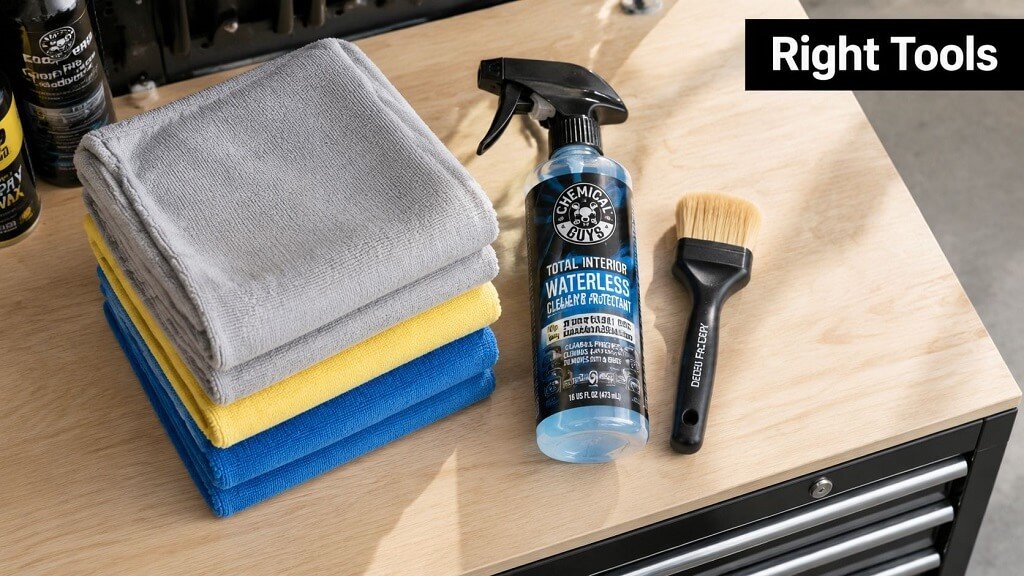
Before you begin, prepare everything you need. Having the correct tools nearby prevents interruptions and helps you maintain safe cleaning practices.
Recommended equipment
- Premium Waterless Car Wash Safe spray
- Four to eight clean microfiber towels
- Plush drying towel
- Tire cleaning cloth
- Spray wax or ceramic detail spray (optional)
- Nitrile gloves (optional)
Choose microfiber towels with a high GSM rating because they hold more dirt away from the paint surface. Avoid using household towels, paper towels, or old cotton rags, as they can leave fine scratches.
2. Follow the Safe Waterless Wash Technique
Using the proper method greatly reduces the chance of swirl marks and keeps your paint looking glossy.
- Step 1: Spray a generous amount of Waterless Car Wash Safe product onto one panel.
- Step 2: Allow the cleaner to sit for several seconds so the lubricants can loosen dirt.
- Step 3: Use a clean microfiber towel to wipe gently in one direction.
- Step 4: Turn the towel frequently to expose a clean side.
- Step 5: Buff the panel with a fresh microfiber towel until it shines.
- Step 6: Repeat the process one panel at a time until the vehicle is clean.
- Step 7: Inspect the paint under natural light to ensure no residue remains.
Professional detailers often recommend using six or more microfiber towels for an average sedan. Fresh towels help prevent dirt from being rubbed back onto the paint.
Who Should Use a Waterless Car Wash?
A Waterless Car Wash Safe method works best for drivers who maintain their vehicles regularly. If your car usually stays clean and collects only light dust during the week, waterless cleaning offers an easy way to maintain a polished appearance. Many luxury vehicle owners also use this method because frequent maintenance reduces the need for aggressive washing.
You may benefit from a waterless wash if you are:
- Living in an apartment or condominium.
- Parking in covered garages.
- Driving mostly on paved city roads.
- Maintaining ceramic-coated vehicles.
- Looking to save water.
- Cleaning show cars before events.
- Washing company vehicles between scheduled detailing appointments.
If you frequently drive on dirt roads or construction sites, a traditional rinse remains the safer option before touching the paint.
When Should You Use a Waterless Car Wash?
Knowing when to use a Waterless Car Wash Safe product is just as important as knowing how to use it. It performs best when dirt levels are light and loose. Trying to remove heavy contamination without water increases the chance of scratching.
Good situations include:
- Light road dust.
- Fingerprints.
- Bird droppings after softening with cleaner.
- Fresh pollen.
- Garage dust.
- Car shows.
- Weekly maintenance cleaning.
- Before taking vehicle photographs.
Avoid waterless washing after:
- Off-road driving.
- Heavy rain.
- Snow and road salt.
- Thick mud.
- Construction dust.
- Sandy beach trips.
A quick inspection before cleaning helps you choose the safest method.
Tips for Using a Waterless Car Wash Safely
Even the best Waterless Car Wash Safe product cannot protect your paint if poor habits are used. Following a few professional tips greatly improves the final result while reducing paint damage.
Best Practices
- Always use multiple clean microfiber towels.
- Never clean a hot surface.
- Spray generously.
- Fold towels into clean sections.
- Replace dirty towels immediately.
- Work from top to bottom.
- Clean one panel at a time.
- Use light pressure.
- Finish with a clean buffing towel.
- Wash microfiber towels separately after use.
Experienced detailers often say that clean towels are just as important as premium cleaning products. Investing in quality microfiber towels usually pays off by keeping your paint looking smoother over time.
Why Choose a Waterless Car Wash Over a Traditional Wash?
A Waterless Car Wash Safe method offers several practical advantages for today’s busy drivers. It saves time, conserves water, and allows you to clean your vehicle almost anywhere without setting up buckets or hoses. For people living in apartments or areas with water restrictions, it can become part of a regular maintenance routine that keeps vehicles looking freshly detailed.
Another major benefit is convenience. Many premium waterless products also leave behind protective polymers or waxes that enhance gloss while adding temporary protection. Although they do not replace long-term ceramic coatings or traditional waxes, they help maintain shine between professional detailing sessions.
You should consider a Waterless Car Wash Safe routine if you:
- Wash your car every week.
- Want to reduce water consumption.
- Need quick maintenance cleaning.
- Own a ceramic-coated vehicle.
- Prefer eco-friendly vehicle care.
- Want a glossy finish in less time.
Can a Waterless Car Wash Cause Scratches? How to Stay Safe
A Waterless Car Wash Safe method can cause scratches if you use it on a heavily soiled vehicle or wipe the paint with a dirty microfiber towel. The cleaning product itself is not usually the problem. Most premium formulas contain lubricants and polymers that lift light dirt away from the paint. Problems happen when grit, sand, or dried mud is dragged across the surface. The safest approach is to inspect your vehicle first. If you can clearly see thick dirt or feel rough particles with your fingertips, skip the waterless wash and use a traditional rinse instead.
You can reduce the risk of scratches by following a few simple habits:
- Spray plenty of product on each panel.
- Never wipe a dry surface.
- Use multiple clean microfiber towels.
- Fold the towel into clean sections.
- Replace dirty towels immediately.
- Wipe in straight lines instead of circles.
- Clean from the roof downward.
- Stop if you notice heavy contamination.
Can You Use a Waterless Car Wash on Ceramic-Coated Cars?
Yes. A Waterless Car Wash Safe product is often an excellent choice for ceramic-coated vehicles because ceramic coatings naturally repel dirt, dust, and water. Since less contamination sticks to the paint, light cleaning becomes easier and safer. Many detailing professionals recommend waterless maintenance between regular washes to help preserve the coating’s glossy appearance.
Choose a waterless product that is safe for ceramic coatings and avoid harsh chemicals that may reduce hydrophobic performance. You should still perform a full traditional wash occasionally to remove stubborn contamination that a waterless cleaner cannot safely handle. Following this balanced routine helps extend the life of your ceramic coating while keeping your vehicle looking freshly detailed.
Benefits for ceramic-coated cars
- Maintains gloss.
- Removes light dust safely.
- Saves time.
- Uses very little water.
- Helps preserve coating performance.
- Ideal for weekly maintenance.
Common Mistakes to Avoid When Using a Waterless Car Wash
Even the best Waterless Car Wash Safe product cannot prevent damage if basic mistakes are made. Many first-time users rush the process or try to clean vehicles that are far too dirty. Learning what to avoid is just as important as learning the correct technique.
Common mistakes
- Cleaning a muddy vehicle.
- Using old or dirty microfiber towels.
- Applying too little product.
- Washing in direct sunlight.
- Pressing too hard while wiping.
- Using paper towels.
- Cleaning the entire vehicle before wiping.
- Ignoring towel contamination.
- Reusing dropped towels.
- Skipping routine traditional washes.
Professional detailers often recommend washing microfiber towels separately using fragrance-free detergent and avoiding fabric softeners. This keeps the fibers soft and effective for future washes.
Which Car Wash Method Is Right for You? (Traditional vs. Waterless)
The best choice depends on your driving habits and the condition of your vehicle. A Waterless Car Wash Safe method is ideal for routine maintenance when your car has only light dust or fingerprints. It is quick, convenient, and environmentally friendly. Traditional washing remains the better option after heavy rain, muddy roads, long highway trips, or winter driving where salt and grit collect on the paint.
Choose a Waterless Car Wash Safe method if you:
- Wash your vehicle every week.
- Drive mostly in the city.
- Have access to clean microfiber towels.
- Want to conserve water.
- Own a garage-kept vehicle.
- Need a quick maintenance clean.
Choose a traditional wash if you:
- Drive off-road regularly.
- Have heavy mud or sand on the vehicle.
- Need to clean the wheels and underbody.
- Are removing winter road salt.
- Want a deep exterior wash.
Many experienced vehicle owners combine both methods. They perform a traditional wash every few weeks and use a Waterless Car Wash Safe product in between to maintain a clean finish.
Conclusion
So, is a Waterless Car Wash Safe method worth using? For most drivers, the answer is yes, provided you use it in the right situation. Premium products, clean microfiber towels, and gentle wiping techniques help protect your vehicle while saving water and time. It is an excellent solution for removing light dust, fingerprints, and fresh road film, especially if your vehicle is regularly maintained.
A waterless wash should not replace every traditional wash. Mud, sand, road salt, and heavy grime require plenty of water before touching the paint. Using both methods together gives you the best balance of convenience, paint protection, and long-term vehicle care. If you want your vehicle to stay cleaner between full washes while reducing water use, a Waterless Car Wash Safe routine is a smart addition to your maintenance schedule.
FAQs
What Are The Main Benefits Of Waterless Car Wash?
The biggest benefits of a Waterless Car Wash Safe method include saving water, reducing cleaning time, maintaining paint shine, and allowing you to wash your vehicle almost anywhere. It is especially useful for lightly dirty vehicles and routine maintenance.
Can Waterless Car Wash Damage My Car’s Paint?
A Waterless Car Wash Safe product does not normally damage paint when used correctly. Paint damage usually happens because of heavy dirt, poor technique, or dirty microfiber towels rather than the cleaning solution itself.
Is Waterless Car Wash Cost-effective In The Long Run?
Yes. Although premium waterless products may cost more per bottle than car shampoo, many drivers save money by reducing water use, shortening wash time, and lowering the need for frequent professional detailing.
How Often Should You Use a Waterless Car Wash?
You can safely use a Waterless Car Wash Safe product once or twice a week if your vehicle only has light dust. Schedule a full traditional wash every few weeks to remove deeper contamination.
What Type of Towel Should You Use with a Waterless Car Wash?
Always use high-quality microfiber towels with a soft, plush texture. Clean towels reduce friction and help keep the Waterless Car Wash Safe process as scratch-free as possible.